The CNRS International Research Project will run from January 2026 to January 2031 and will strengthen scientific collaboration between Chile and France.
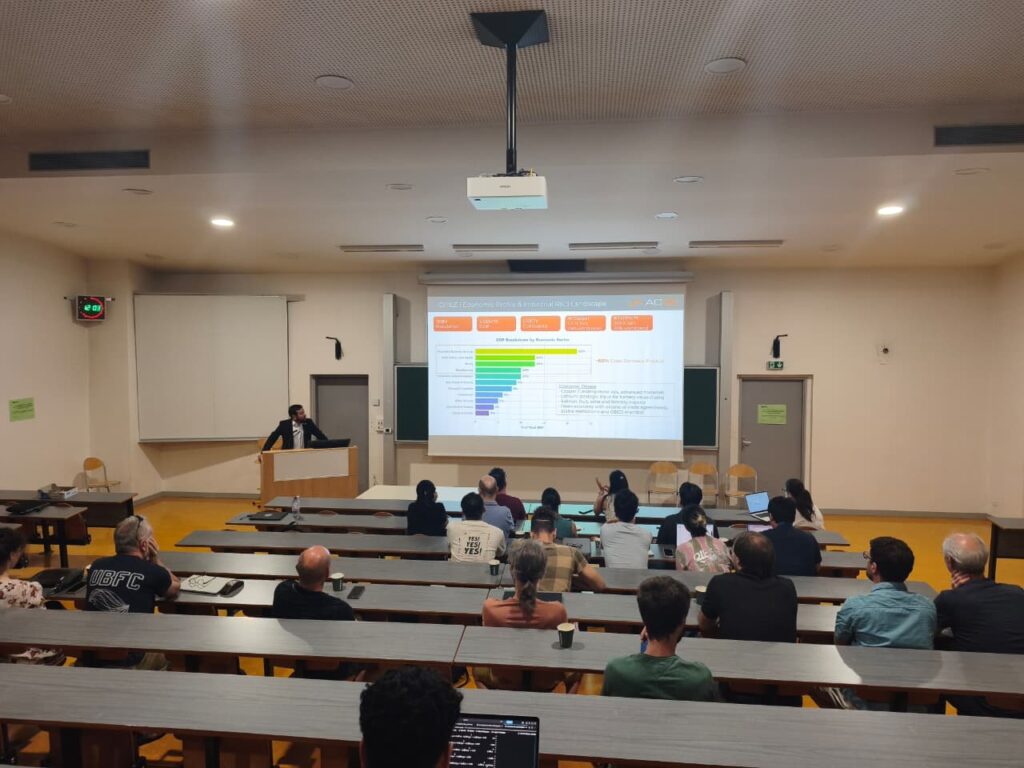
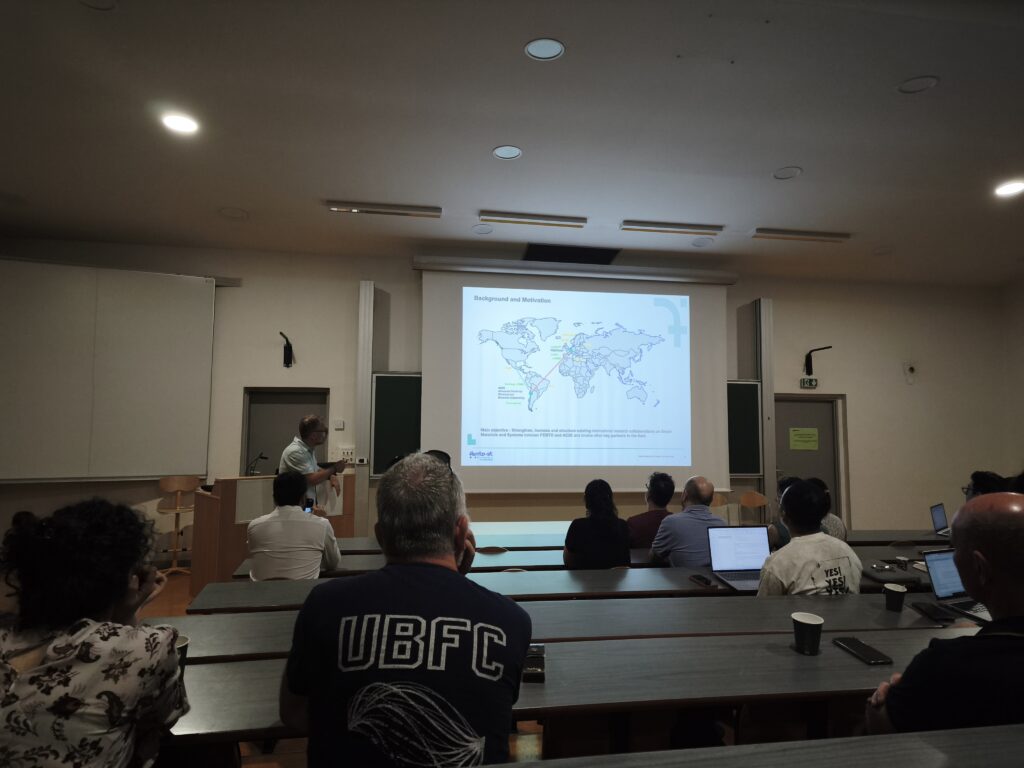
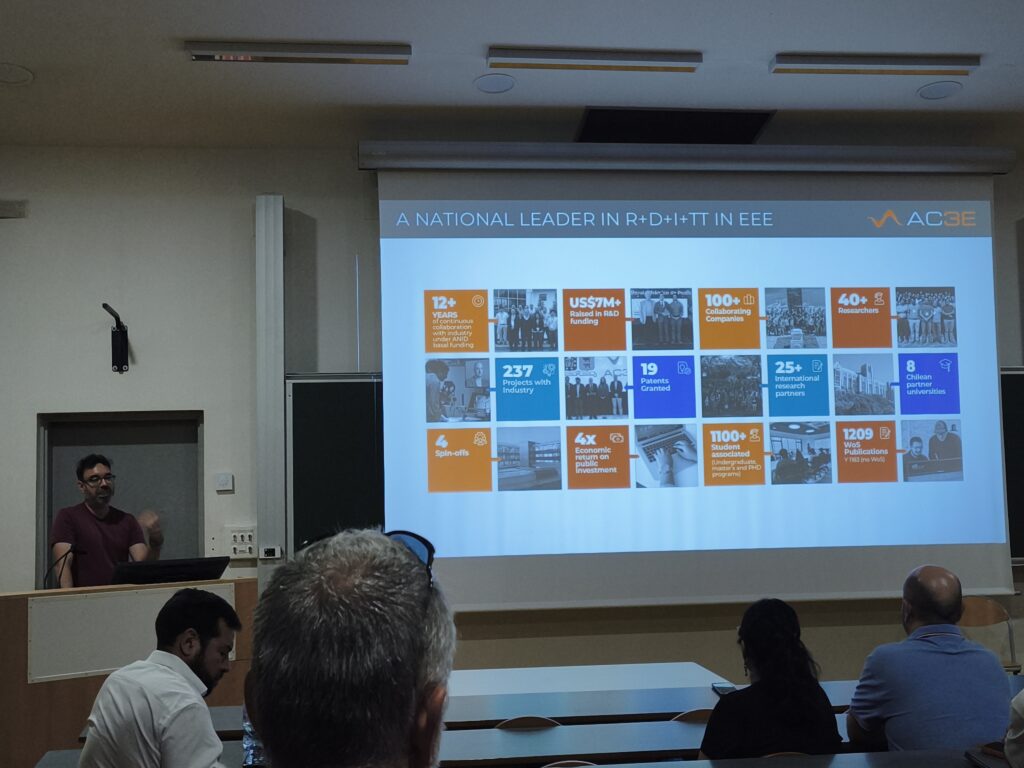
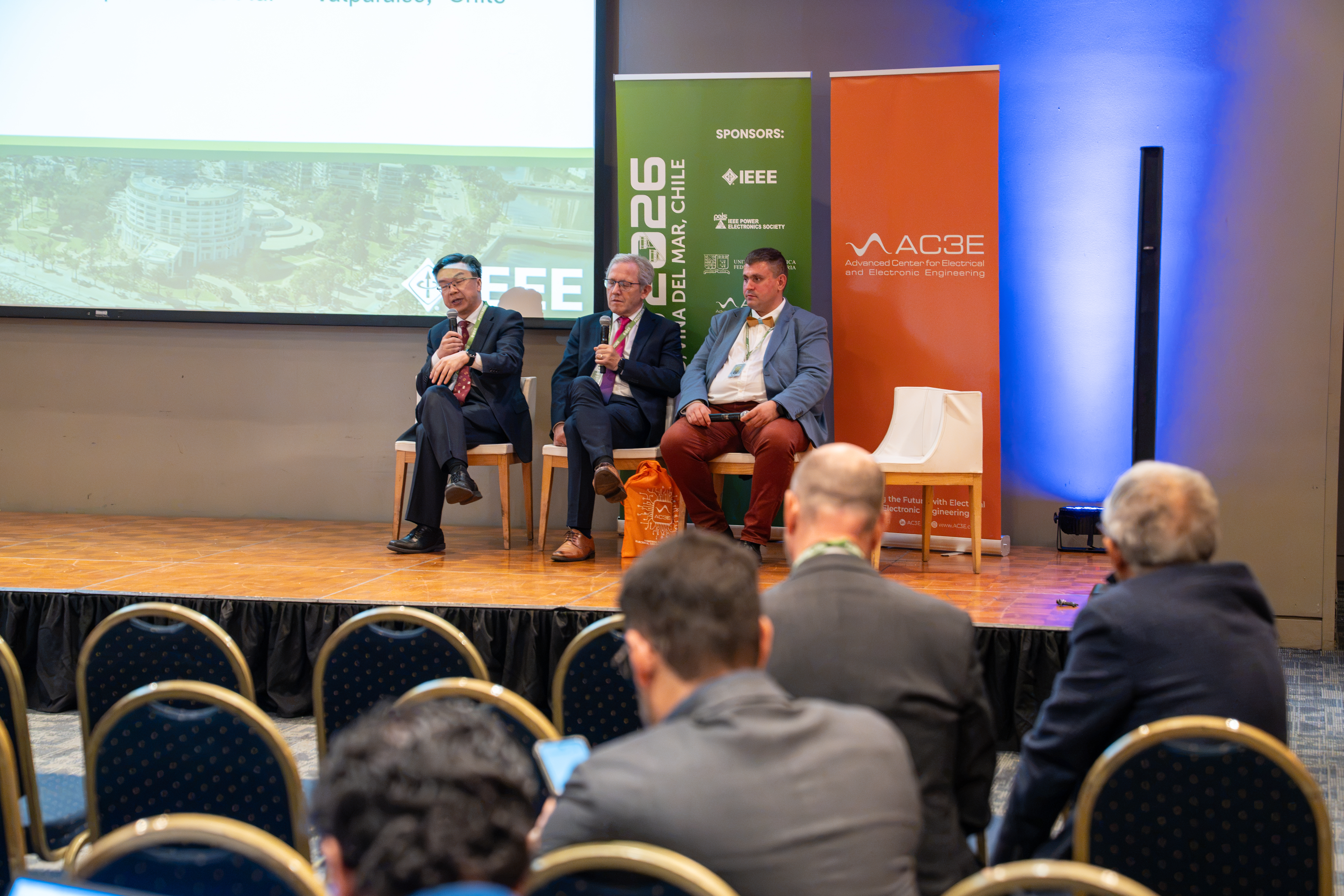
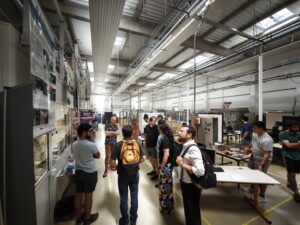
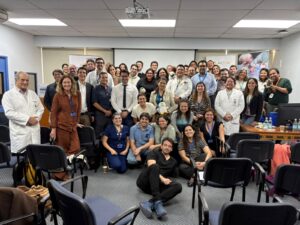
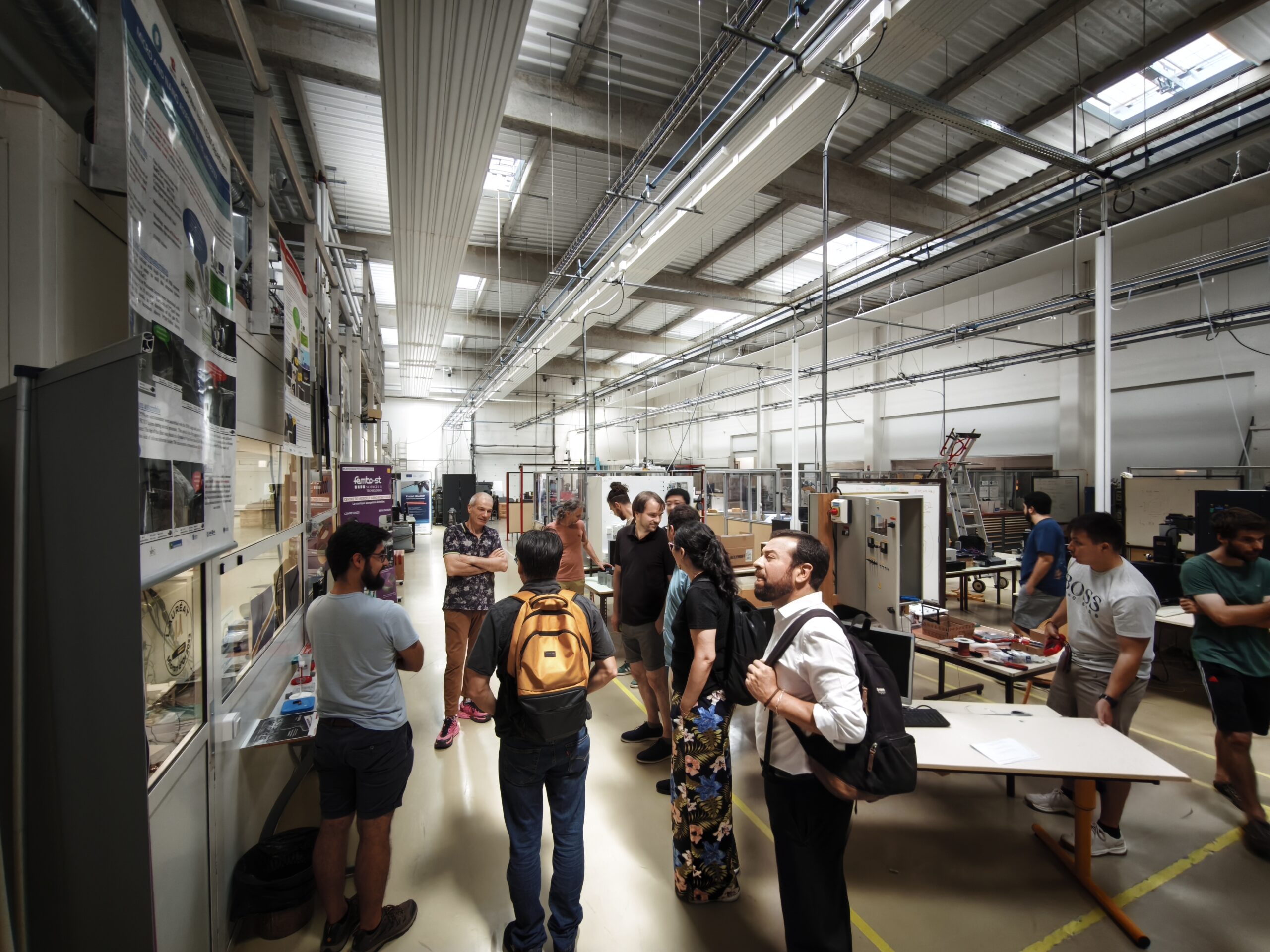
The Advanced Center for Electrical and Electronic Engineering (AC3E) and the French laboratory FEMTO-ST held the kickoff of the Smart Materials and Advanced Research in Technologies for Energy Efficiency and Robust Systems (SMARTER) project on June 24 at SUPMICROTECH in Besançon, France.
The event marked the official launch of the project and brought together institutional authorities and researchers from the participating institutions. During the meeting, the project’s objectives and work plan were presented, along with the roles and contributions of each institution.
SMARTER is a CNRS International Research Project (IRP) that will run from January 2026 to January 2031. The initiative brings together and complements the capabilities of AC3E and FEMTO-ST, two institutions internationally recognized in the fields of engineering sciences, information processing, and systems theory.
Dr. Héctor Ramírez, Director of AC3E, highlighted that the initiative formalizes a long-standing scientific collaboration with French researchers.
“We are very pleased and excited because this project formalizes, at the institutional level, the work that has been developed for more than 10 years with our French colleagues. This project will make it possible to give visibility to this work and place it within a thematic context that is highly relevant today,” he said.
“The primary objective of the SMARTER project is to generate new scientific knowledge in the areas of design, modeling, and control of complex multiphysical systems using the port-Hamiltonian formalism,” said Yann Le Gorrec, Professor of Automatic Control and Head of the AS2M Department at FEMTO-ST.
The kickoff was attended by Francisca Rivera, Secretary of the Chilean Embassy in France; Olga Allard, Director of International Relations at CNRS Engineering; and Pascal Vairac, Director of SUPMICROTECH-ENSMM.
The event was held under the patronage of Hugues Daucy, President of the Université Marie et Louis Pasteur, and Juan Yuz, President of Universidad Técnica Federico Santa María.
AC3E was also represented by its Executive Director, Óscar Solar; Deputy Director, Dr. Pamela Guevara; and Principal Researchers Dr. Matías Zañartu and Dr. Marcos Orchard.
Research addressing global challenges
The port-Hamiltonian formalism is a modular, energy-based approach that enables the efficient and thermodynamically consistent design and modeling of complex multiphysical systems. It also facilitates the development of control laws that ensure robust, resource-efficient, and high-performance system operation.
“The second objective of the SMARTER project is to develop shared experimental platforms for validating theoretical research through applications in soft robotics, medical robotics, and instrumentation for natural hazard monitoring,” added Yann Le Gorrec.
The project also seeks to integrate the design of complex structures incorporating embedded active materials, multiscale and multiphysics modeling, and advanced physics-informed control methods into a unified framework.
This work is aimed at addressing major societal challenges, including the energy transition, personalized healthcare, real-time monitoring, sustainable energy storage, and autonomous systems.
A long-term scientific collaboration
In addition to its scientific objectives, SMARTER seeks to strengthen exchanges among researchers and students from Chile and France, promoting the sharing of knowledge, experience, and expertise.
For AC3E, the project also represents a concrete step in its internationalization process by establishing a long-term institutional framework with FEMTO-ST and expanding opportunities for collaboration between their scientific communities.
“This project is open to the scientific community, and among the results we expect is to strengthen existing networks, but also to create new collaboration networks, both between France and Chile and with other actors working on these topics. We see these initiatives as a necessary opportunity to bring together the international scientific community,” added Dr. Ramírez.
Through this initiative, both institutions seek to strengthen their scientific ties and foster the development of new projects with an impact on industry and society.