Smart industry, energy transition and health technologies are the new strategic focuses for the country’s scientific and technological development.
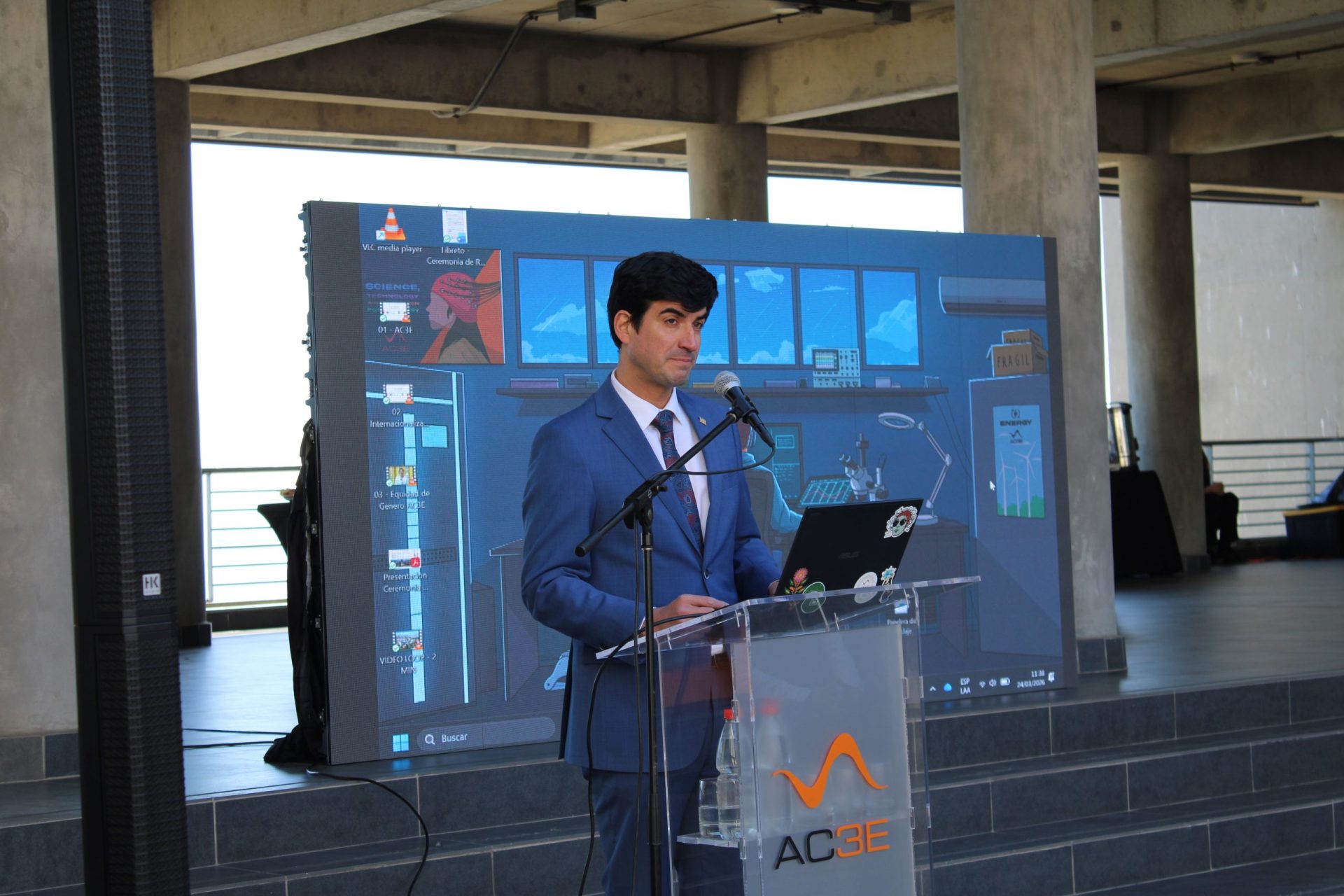
Building on more than a decade of high-impact research, the Advanced Center for Electrical and Electronic Engineering (AC3E) at the Federico Santa María Technical University is embarking on a new phase following the renewal of its funding for the next 10 years, reaffirming its strategic role in the country’s scientific and technological development.
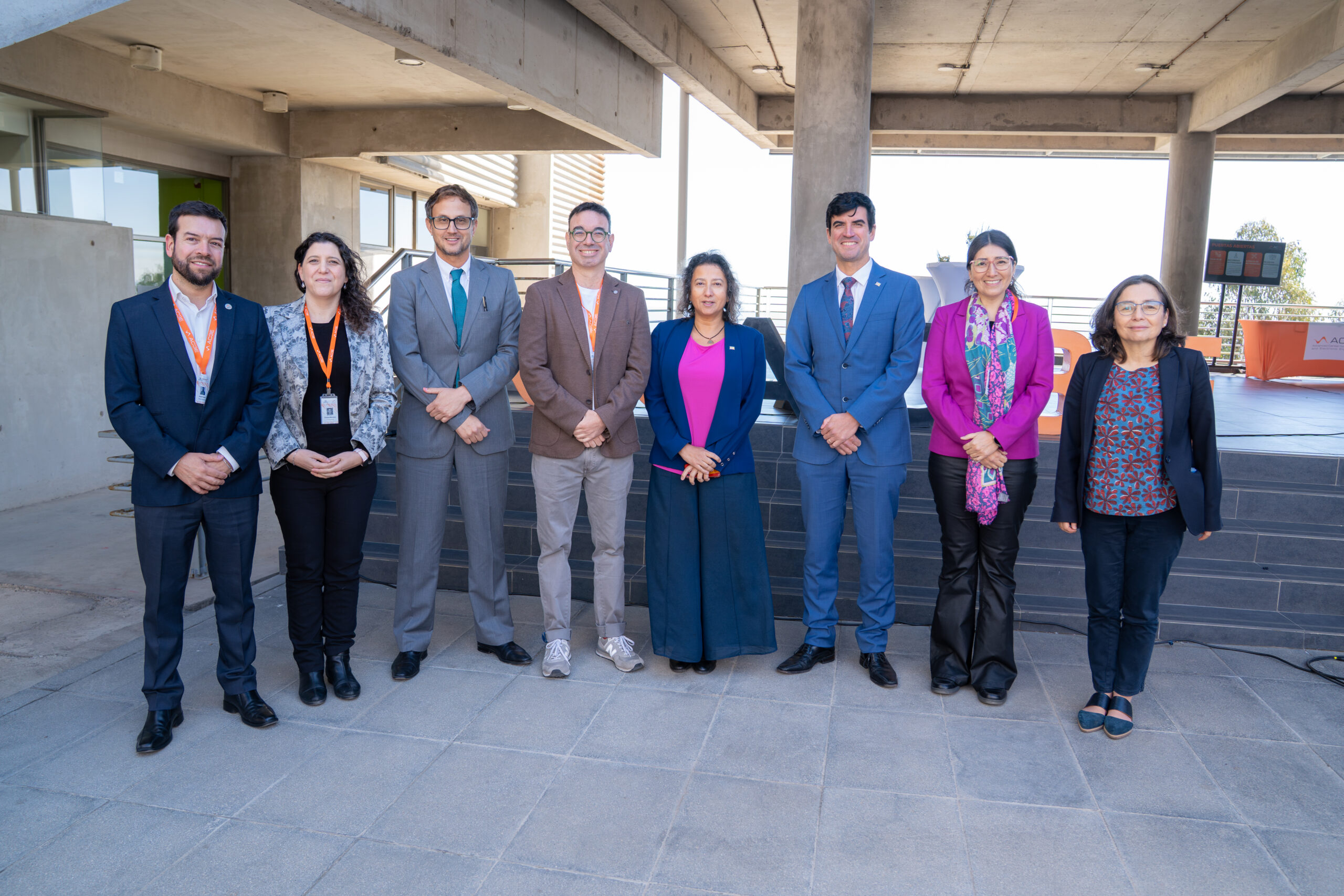
The ceremony was attended by academic and government authorities, including the new Undersecretary of Science, Technology, Innovation, and Co-operation (STCI), Rafael Araos, who commented on the challenges facing his ministry: “As the Ministry of STCI, we have the task of monitoring national centers and responding to their needs to make them more competitive. Today’s visit is an example of Chile’s capabilities to compete internationally.”
In this vein, the Rector of USM, Juan Yuz, emphasizes the experience and opportunities that characterize the work of AC3E. “For our university, this renewal is a very significant milestone. Having obtained first place constitutes recognition of the constant and systematic work developed over 11 years by a solid team of researchers. This effort has allowed us to build trust with the productive sector, contribute to the training of advanced human capital, and, at the same time, strengthen institutional capacities that today position us as a relevant player within the innovation ecosystem.”
In this new phase, the center will focus on three major lines of research and development: Smart Industry for sustainable economic growth, Energy Transition to mitigate climate change, and Biomedical Technologies for personalized, preventive and accessible health care.
In this regard, Héctor Ramírez, director of AC3E and professor in the Department of Electronics at USM, comments that “our main challenges are focused on developing and applying capabilities that do not currently exist, with the goal of enabling technological solutions that improve people’s quality of life. Over the next ten years, we will continue to strengthen our work in the field of electrical and electronic engineering, bringing together different stakeholders in the ecosystem to drive development at the national level and position Chile as a leader in this area.”
Contribution to the country’s development and gender equality
The impact of AC3E extends both nationally and internationally. In Chile, its developments contribute to the energy transition and the modernization of sectors such as mining, healthcare, and transportation. Globally, the center aims to position the country as a research partner for the development of exportable technologies. Over the past 11 years, they have carried out nearly 200 projects with national and international industry, with a total investment of over US$8.2 million.
The AC3E has promoted solutions with an interdisciplinary approach that integrates areas such as renewable energy, artificial intelligence for mining, power electronics for heavy transport, robotics and neuroscience through non-invasive brain stimulation devices for cognitive rehabilitation.
In parallel, one of the emphases of this new period will be to deepen the commitment to gender equality in science and technology. In this regard, AC3E will seek to increase the participation of women in research, promoting more inclusive and diverse environments that enhance knowledge generation.
In this way, the center begins a new decade with the challenge of continuing to lead advances in strategic areas, training advanced human capital and providing technological solutions marked by collaboration and contribution to the public and private sector, improving the quality of life of people and the sustainable development of the country.