
Smart electrical systems and converter-based technologies 

The Smart Electrical Systems and Converter-Based Technologies research line advances the design, modeling, and control of next-generation electrical energy systems driven by power electronic conversion and intelligent grid integration. The line focuses on enabling safe, resilient, and efficient operation of modern power systems increasingly dominated by renewable generation, distributed resources, and converter-interfaced technologies. 

By combining power electronics, advanced control, grid dynamics, and system-level modeling, the research addresses the technological challenges associated with high penetration of renewables, electrification of industry, and the transition toward low-carbon energy infrastructures. 

Research :  

  • Converter-Dominated Power Systems: analyzing stability, synchronization, and dynamic performance of grids with high penetration of power electronic converters, including grid-forming and grid-following technologies. 
  • Advanced Control of Power Converters: developing robust, nonlinear, and predictive control strategies to enhance efficiency, reliability, and fault tolerance in energy conversion systems. 
  • Smart Grids and Distributed Energy Resources: enabling coordinated operation of distributed generation, storage systems, and flexible loads through intelligent monitoring and control architectures. 
  • Electrification and Industrial Energy Systems: designing high-efficiency conversion and drive systems to support electrified transportation, industrial processes, and renewable integration. 
  • Power System Stability and Resilience: addressing dynamic interactions, weak-grid conditions, and transient phenomena in modern networks with reduced mechanical inertia. 

Industrial and Technological Impact: The research line contributes directly to the modernization of electrical infrastructures, supporting the transition toward renewable-based and converter-dominated energy systems. Through advanced converter control, grid stability analysis, and intelligent integration strategies, the line enhances system reliability, reduces energy losses, and strengthens resilience against disturbances. 

By bridging theoretical modeling, experimental validation, and industrial collaboration, the line supports critical sectors such as energy generation, transmission, electrified industry, and sustainable mobility, positioning AC3E as a key contributor to the technological transformation of power systems at national and international levels. 

Meet the Work Team

Scientific Lead

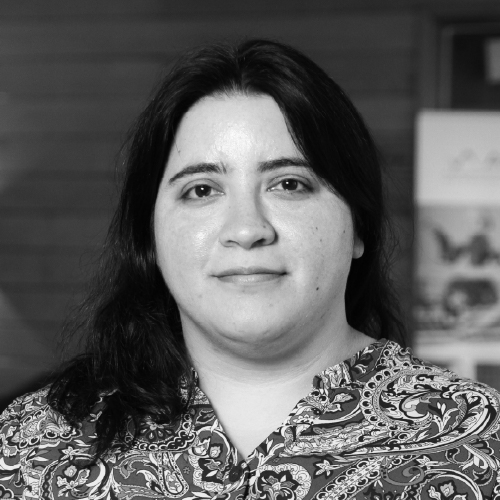
Margarita Norambuena

UTFSM

Principal Investigators

Margarita Norambuena

UTFSM

Claudia Rahmann

UTFSM

Adjunct
Researchers

Alejandro Angulo

UTFSM

Cristian García

UTFSM

Andrés Mora

UTFSM
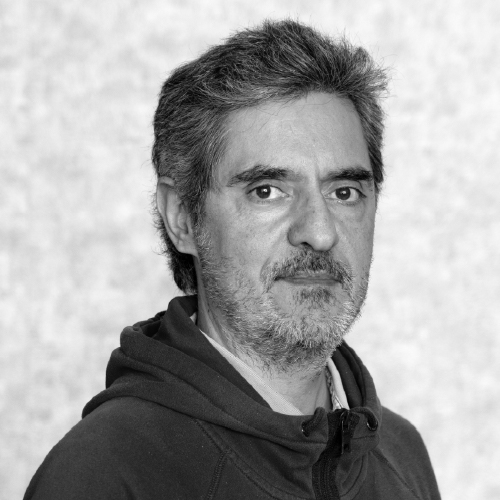
Esteban Gil

UTFSM