EFE Valparaíso has achieved ISO 50.001 certification for implementing its energy management system. This certification signifies a continuous improvement process aimed at making energy use in railway operations increasingly efficient.
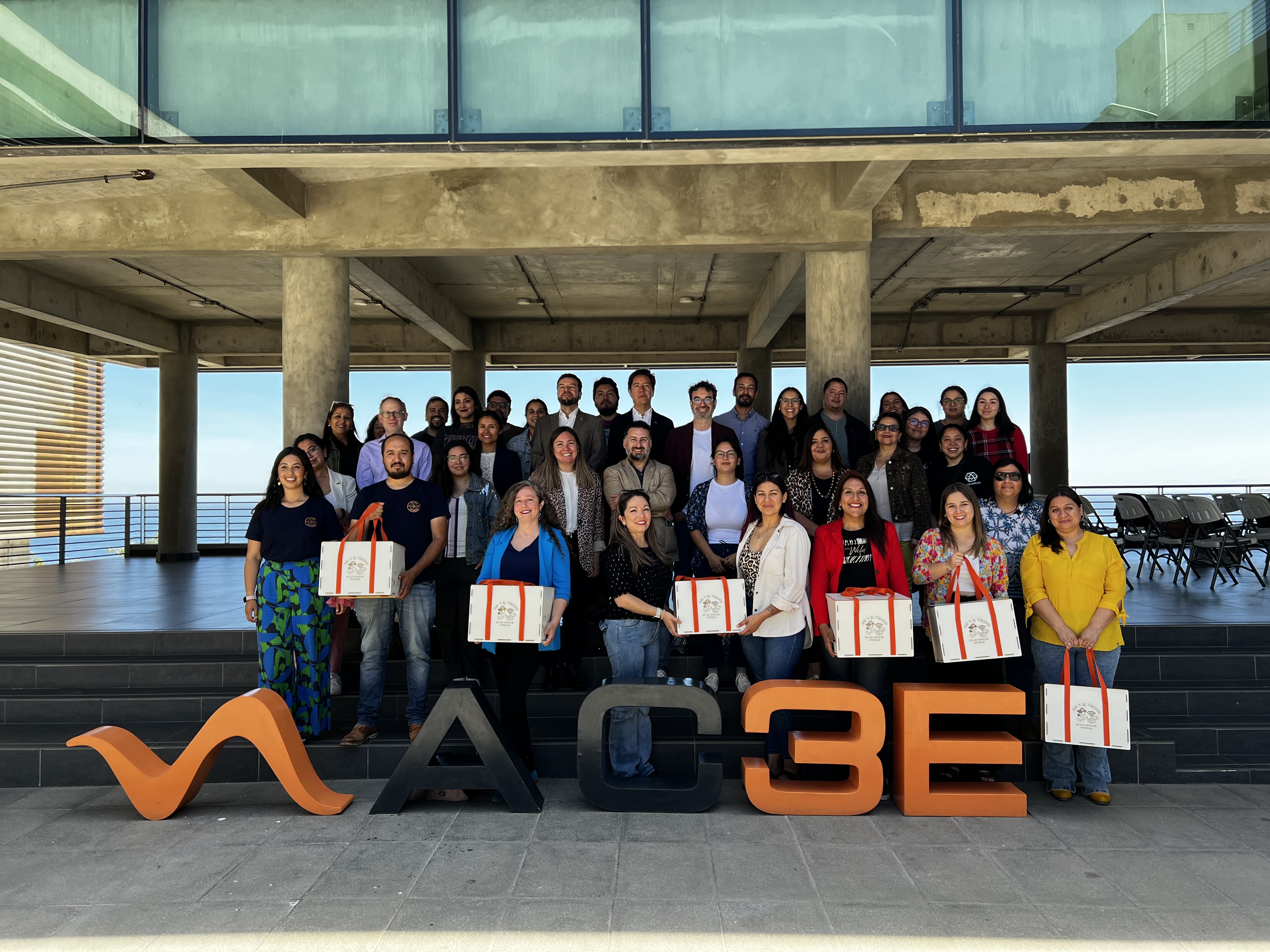
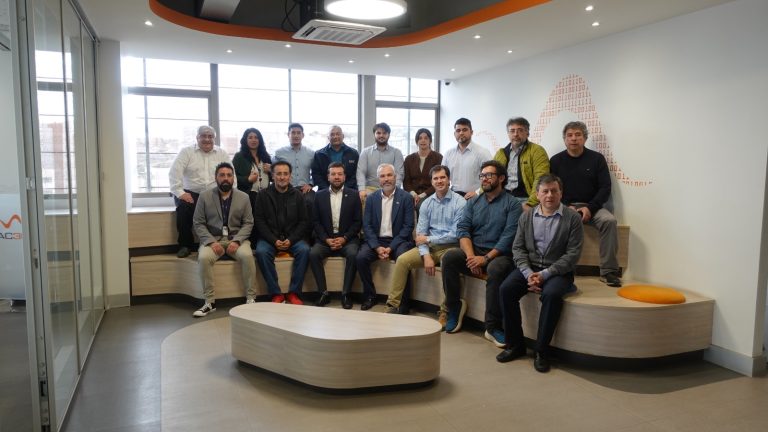
The challenge of advancing towards energy sustainability in rail transport brought together EFE Valparaíso and the Federico Santa María Technical University—through its Advanced Electrical and Electronic Engineering Center (AC3E)—to develop a new scientific and technological project: Simu Energy.
The initiative involves creating a tool that will allow the railway company to simulate the energy consumption of its trains under different operational scenarios. The goal is to evaluate and implement measures that contribute to more efficient electricity consumption while increasing the kilometers traveled by the trains.
The development of Simu Energy is supported by CORFO and involves the engineering firm ByB, forming a virtuous collaboration that brings together the public and private sectors, academia, and the state. Their common objective is energy sustainability and progress towards carbon neutrality in transportation.
For EFE Valparaíso, the primary energy consumption comes from railway operations. With a fleet of 35 electric trains that transport over 20 million passengers annually, energy management is a priority. Juan Rodó, the company’s Railway Operations Manager, explained, “We have an energy management system that, in a way, obliges us to plan improvements and make more efficient use of energy. Therefore, this simulator will allow us to evaluate fleet management measures to practically implement train circulation that maintains the service level for users with efficient energy use.”
In this regard, Juan Martínez, an Innova Chile project executive at Corfo, explained that a priority for the state is the reduction of polluting emissions and energy efficiency. “This project aims to enable mass transport services, in this case, trains, to achieve greater energy efficiency and thus, use resources sustainably. Hopefully, we can transport more people with the same consumption, and hopefully, make that consumption increasingly greener. May this serve for better decision-making and optimize public passenger transport.”
Specifically, the Simu Energy project aims to create software in three stages: trajectory optimization, dispatch optimization, and electrical power flow optimization, all with the goal of generating a more efficient operation.
Oscar Solar, manager of the Advanced Electrical and Electronic Engineering Center, emphasized the importance of this partnership, calling it “a tremendous opportunity where we come together to find solutions to opportunities or problems that exist in the local market, which directly impact the generation of science- and technology-based businesses.” He added, “This is a partnership we want to continue strengthening because as a university that generates scientific results, we need the intelligence of the industry, which knows well where it hurts, where the problems and opportunities lie.” He also added that this type of collaborative work “can lead us to a status where, as a country, we can start generating technology and begin exporting scalable products based on science and innovation.”
Simu Energy is the second simulation project undertaken by EFE Valparaíso in collaboration with the Federico Santa María University. The first tool, also supported by CORFO, focused on railway operations, seeking efficiencies in fleet management by analyzing possible scenarios, such as the opening of a new station, the arrival of new rolling stock, or the impact of new combinations with feeder buses.
By EFE Valparaíso Communications