
Biomedical Signals and Systems

The Biomedical Signals and Systems researcg line develops advanced engineering methodologies for the acquisition, modeling, interpretation, and clinical translation of physiological signals and neurobiological systems. By integrating electrical and electronic engineering with neuroscience, biophysics, signal processing, and artificial intelligence, this line aims to transform complex biological data into actionable medical knowledge. 

Its focus lies in enabling preventive, personalized, and accessible healthcare through quantitative modeling of physiological processes, real-time monitoring technologies, and data-driven diagnostic tools. The line bridges fundamental system-level understanding of biological dynamics with scalable technological solutions tailored to real-world clinical and public health contexts. 

Research: 

  • Advanced Physiological Signal Processing: Development of robust algorithms for acquisition, denoising, feature extraction, and interpretation of biomedical signals such as speech, neural activity, movement, cardiovascular dynamics, and other biosignals. 
  • System-Level Modeling of Biological Dynamics: Construction of mathematical and computational models that characterize neural, biomechanical, and physiological processes, enabling quantitative understanding of disease progression and functional impairment. 
  • AI-Driven Diagnostics and Digital Biomarkers: Design of machine learning frameworks to extract clinically relevant biomarkers from multimodal biomedical data, supporting early detection of neurological, speech, hearing, and chronic disorders. 
  • Wearable and Embedded Health Technologies: Development of scalable sensing platforms and real-time monitoring devices that integrate microelectronics, signal processing, and AI to enable continuous, accessible health assessment in both clinical and remote settings. 

Industrial and Technological Impact: This research line directly contributes to the development of Chile’s emerging health technology ecosystem by transforming engineering innovation into deployable medical solutions. Applications include speech and voice monitoring systems, neurorehabilitation technologies, wearable diagnostics, AI-assisted clinical decision support, and scalable telemonitoring platforms for underserved regions. 

By enabling early detection, objective quantification of functional impairments, and personalized intervention strategies, this line reduces long-term healthcare costs, improves quality of life, and strengthens national capabilities in medical device innovation. Its interdisciplinary foundation positions AC3E as a strategic contributor to the digital transformation of healthcare, aligning technological sovereignty with social impact. 

Meet the Work Team

Scientific Lead

Matías Zañartu

UTFSM

Principal Investigators

Matías Zañartu

UTFSM

Pamela Guevara

UTFSM

Adjunct Researchers

Alejandro Weinstein

UTFSM

Wael El-Deredy

UTFSM
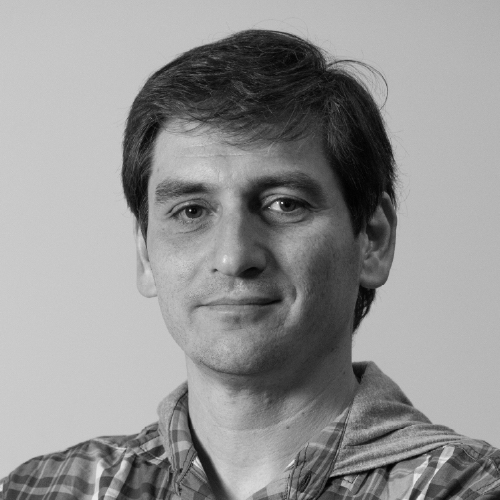
Patricio Orio

UTFSM
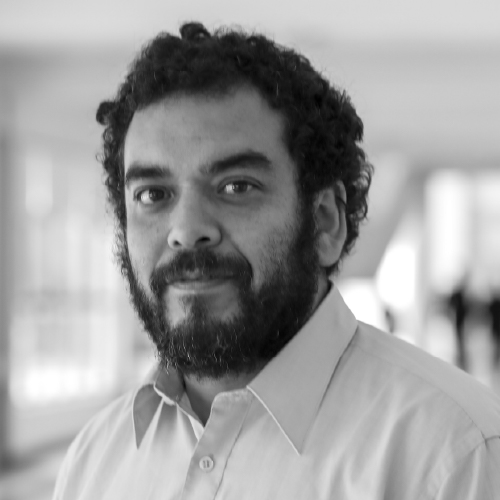
Paul Délano

UTFSM
Jocelyn Dunstan

UTFSM