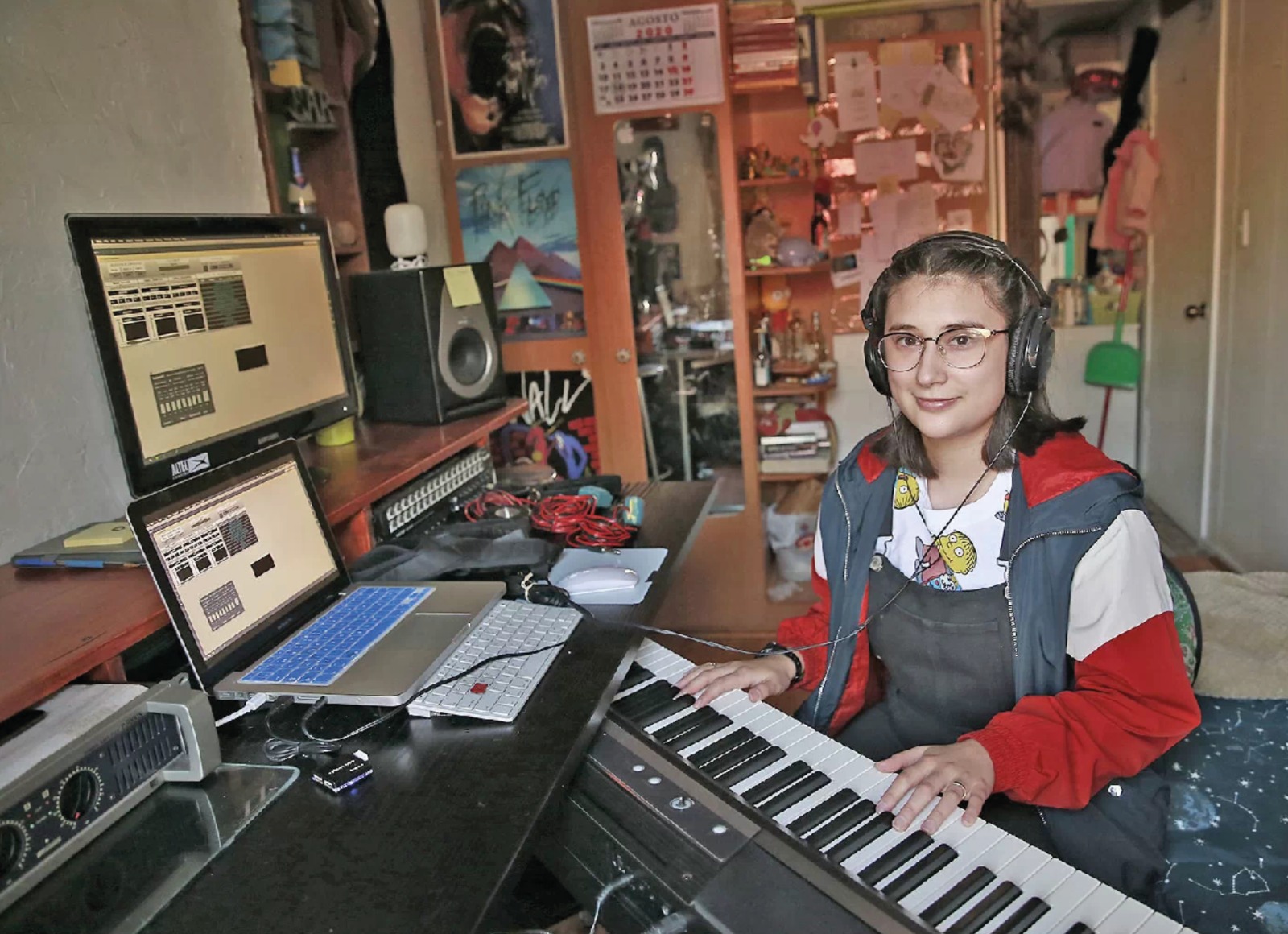
Between November 20th and 23rd, the 80th version of the Chilean Congress of Otolaryngology, organized by the Chilean Society of ORL, took place, where AC3E Master’s student, Rocío Ortega, won first place in the poster presentation session with her work “Method to detect elevated cognitive load through a laryngeal motor control model.”
“Winning first place represents a significant recognition and an incentive to continue exploring how the voice can be a promising marker in the study of cognitive load and neurological processes. This achievement highlights the potential impact of these ideas on the scientific and medical community, strengthening the motivation to advance in this line of research,” said Rocío Ortega.
Since 2023, she has been linked to AC3E, where she has participated in the Biomedical Systems research group with Dr. Matías Zañartu, and today she collaborates with her Master’s thesis in the VPLab voice laboratory.
Her research focuses on the analysis of the effects of cognitive load and neurological deterioration on voice motor control, using a laryngeal control model. “This model allows estimating internal biomechanical parameters, such as subglottic pressure and laryngeal muscle activations, from acoustic references such as fundamental frequency and sound pressure level extracted from recorded voices,” Ortega pointed out.
This work contributes to the development of non-invasive tools to assess the impact of cognitive load and detect motor alterations associated with neurodegenerative conditions, such as Parkinson’s. This would mean a great advance as it has “the potential to facilitate early diagnoses and optimize resources in clinical practice, benefiting both patients and health professionals,” said Ortega.
This research is in its initial stages, which allows a wide margin to deepen and increase the findings. So far, promising relationships have been identified at the acoustic and articulatory level; however, the understanding of motor processes remains an aspect that requires further development. “In the long term, my goal is to integrate this model into accessible technologies that can be used widely for the monitoring and diagnosis of vocal, cognitive, and neurological health, benefiting both patients and health professionals. Currently, I am pursuing a master’s degree, and I believe that continuing with a doctorate would be an excellent opportunity to consolidate and expand this line of research,” concluded Rocío Ortega.