

Computer Vision and Robotics

The Computer Vision and Robotics Research Line advances scientific knowledge in robotic and vision-based intelligent systems, with a strong emphasis on autonomy, active perception, and human-robot interaction. The line integrates foundational research in computer vision, mobile robotics, and cognitive robotics to address critical challenges in industrial, healthcare, and societal applications. 

Computer vision constitutes a transversal capability across the line, enabling perception-driven autonomy in robotic platforms operating in complex and dynamic environments. Rather than focusing on mechatronic design itself, the research prioritizes intelligent decision-making, learning, and interaction mechanisms that enhance the functionality, acceptance and impact of robotic systems.

Research: 

  • Remote Sensing and Computer Vision: leveraging advances in deep learning, multispectral imaging, and large-scale datasets to enhance perception and data-driven decision-making in industrial and societal contexts. 
  • Mobile and Autonomous Robotics: focusing on autonomy, mobility, and intelligent manipulation in demanding environments such as agriculture, mining, and other safety-critical domains. 
  • Human–Robot Interaction and Cognitive Robotics: exploring adaptive, socially aware, and emotionally responsive robotic systems through reinforcement learning, continual learning, intrinsic motivation, multimodal perception, and affective computing.  

Industrial and Technological Impact: The research line contributes to the technological transformation of high-impact industries such as agriculture, mining, and energy by enabling perception-enhanced automation, intelligent mobility, and safer robotic operations in hazardous environments. 

In healthcare and societal applications, the line promotes the development of socially interactive and adaptive robotic systems capable of meaningful engagement with users, including vulnerable populations. Through strategic partnerships collaboration across different engineering disciplines, the line strengthens technology transfer pathways and supports the development of next-generation intelligent systems that integrate perception, autonomy, and human-centered design. 

Meet the Work Team

Principal Investigators

Mauricio Araya

UTFSM

Adjunct Researchers

Miguel Torres

UTFSM

José Delpiano

UTFSM
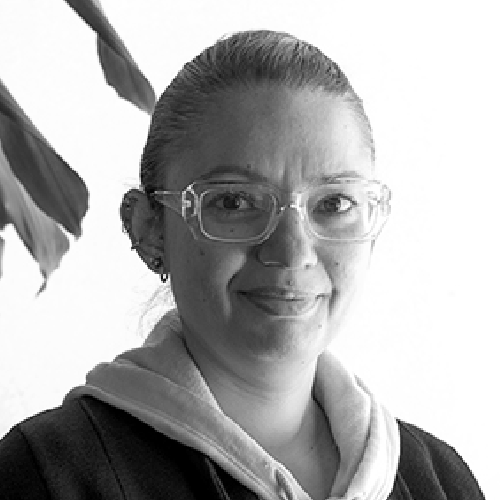
Sandra Cano

UTFSM

Juan Pablo Vazconez

UTFSM

Tito Arevalo

UTFSM

Fernando Auat Cheein

UTFSM