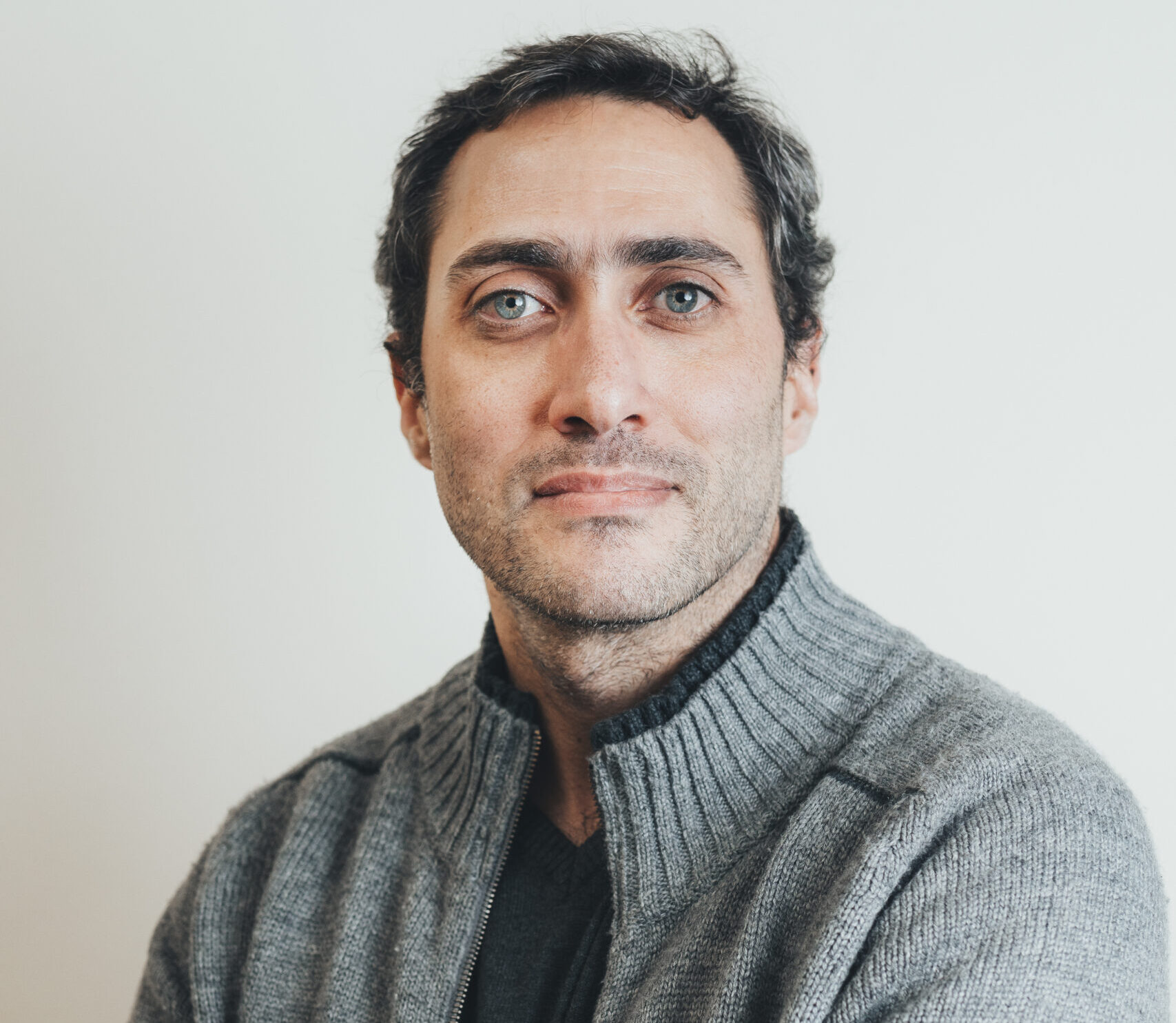
Professor Dr. Fernando Auat Cheein, a researcher at the Advanced Center for Electrical and Electronic Engineering (AC3E), has been appointed a “Fellow” of the Institution of Agricultural Engineers (IAgrE) in the United Kingdom. This recognition is for his outstanding contributions to agriculture through science and engineering.
The Institution of Agricultural Engineers (IAgrE) is a professional organization that promotes engineering, science, and technology within agriculture and the environment. It brings together academics, professionals, and industry to share knowledge and advance the application of new technologies in the sector. Through this initiative, IAgrE grants fellowships to highlight professional careers, experiences, and achievements, and to provide a platform for fellows to collaborate with the institution from their field of research.
“Being appointed a Fellow of IAgrE is a very significant recognition for those of us who work at the intersection of technology and agriculture. Furthermore, it not only validates my scientific career but also my commitment to generating real impact in the agri-food sector,” highlighted the AC3E researcher.
For over 20 years, Dr. Auat Cheein has been working in robotics, perception, and artificial intelligence to solve agricultural problems with successful results, translating into more than 140 publications in internationally recognized scientific journals. He is currently a full professor in the Engineering Department at Harper Adams University in England and Director of the Harper Institute of Technology.
This appointment also presents a new challenge for Professor Auat Cheein: to continue leading the incorporation of emerging technologies, primarily robotics and Artificial Intelligence, into agricultural contexts. This includes fostering applied and collaborative research with farmers and institutions to develop viable and sustainable solutions.
“One of the main contributions of my work is the ability to link cutting-edge academic research with real-world applications in the field, and its international applicability. My goal is to ensure that innovation effectively reaches the ground, from robotics for precision agriculture to the development of standards for technological certification in rural environments,” concluded the academic.